
Table of Contents
Every guitar player rolling a tube amp hears the sound differently. Some people like a bit more of a crisp, bright tone, while others prefer something deep and warmer.
Normally when seeking a warmer sound, you need to figure out what it is exactly that you like. Bass content is much different from mid-range, and so it is important to know what it is you like to hear. Changing preamp tubes is usually the first place to start. But what is the warmest sounding 12AX7?
What Is The Warmest Sounding 12AX7?
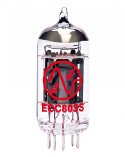
The warmest production 12AX7 is the JJ ECC83S. This tube has a prominent low mid-range frequency output that creates a dark, warm sound. To most guitar players and audiophiles, this is the most affordable way to create a warm tone.
The ECC83s lacks presence compared to a lot of other production 12AX7 tubes on the market. So when seeking out this tube, it is also good to know that your high-end frequencies will be affected.
To some people, this comes off as a dull, lifeless-sounding tube. While others appreciate the darker, warmer tone.
What Makes a 12AX7 Sound Warm?
A 12AX7 vacuum tube is a mechanical apparatus. It has a number of plates and electrodes inside an airless glass envelope. The spacing and material selected for the components all contribute to how a tube will sound.
The material must be able to conduct efficiently. It must transfer the signal into the circuit it gets plugged into.
This material has a resistance to the flow of current, which contributes to the tone. Plus, the spacing of the electrodes must be determined, which also affects the sound. And so there are many variables that come into play, all of which affect the tone of the tube.
Capacitance of The Tube Design Affects Warmth
These factors come together to create what is called capacitance. This capacitance can react to different frequencies it is amplifying. This can be in positive and negative ways.
The greater the capacitance, the more the high frequencies will be attenuated. We won’t go into the science behind this, as for some readers it goes past the purpose of this article. But the term here for this capacitance is called interelectrode capacitance.
Now, this capacitance is not the only variable to the attenuation, of course. The circuit of the amplifier also plays a very large role and can affect the sound you hear.
Layout Of the Tube Design
The spacing and material play a large role in this as well. The distance between the electrodes is what forms the capacitance. And so tube manufacturers are able to tune the sound of their tubes this way.
For some manufacturers, capacitance is a negative thing. But when it comes to sound, this is one of the biggest tricks to getting the tone they want.
When it comes to the JJ tubes, they have been known to be darker sounding. And this is what has helped them become a favorite to those players. They appreciate something darker and warmer.
Does A Lower Gain 12AX7 sound Warmer?
Some people believe that using a lower gain version of 12AX7 will affect the warmth of the tube. Some people have even gone to the extent of swapping to a 12AT7. But we do not recommend this in every situation!
Lower gain 12AX7 tubes do not necessarily provide a warmer sound. Sometimes the high saturation of a distorted tone creates harmonics that increase warmth.
You will have better results by trying different brands. Instead of seeking lower gain 12AX7 tubes. While there are different variations, like a 12AX7 A and B, only the gain of the output changes. And so it is best to experiment with different tube brands and let your ears decide what is warm and dark.
What Role Does the Amplifier Play In Warmth?
Depending on the amplifier you use, will determine how warm the sound will get. While we feel that the JJ 12AX7 tube is the warmest, the amplifier might still be bright!
The designer of the amplifier you use may have been interested in a brighter tone. As such, will have designed electronic filters to get that sound.
While the darker tube will affect the sound of your amp, it might still be bright depending on how it is designed. So just remember that your amplifier plays a bigger role in the warmth than the tubes you use will.
Some players have moved onto different amplifiers. They simply could not get the warm sound they were looking for. Even after trying all the different tubes on the market in their amplifier.
Do Preamp Tubes Change Tone?
This is a question that comes up a lot. There are a lot of players who get tired of their tone. This can be because of worn tubes or simply fatigue from the sound of the amplifier.
We have been there, it happens!
Preamp tubes will affect the tone of your amplifier. They color your sound in good and sometimes poor ways. Changing your preamp tubes can make a big impact on your tone.
If they have worn out, you will notice a lack of presence in the sound. Normally the power tubes will be the first to wear, but eventually, the preamp does too.
The best way to get a tired amp to sound glorious once more is to change the tubes! And because it is easy to do, it should be the first place to try.
Conclusion
Even though tubes will affect your tone, sometimes the amplifier is simply too bright. If you love the amplifier, there are always great technicians who can help you modify it.
This can be a great way to get exactly what you want.
But for a cheap, easy way to get that warmer sound, we suggest trying the JJ 12AX7 tube. It is not for everyone, but most players appreciate them in bright amps.
