

Table of Contents
Choosing the color of your guitar is more than just a random decision. It’s a way to express your unique style and personality.
Just like picking the car with your favorite color, this is no small detail and says lots about you. It can set the mood, make a statement, or even become a signature part of your performance.
From the timeless elegance of a black guitar to the vibrant burst of a yellow one, each color has its own charm and appeal. And let’s not forget about the cool blues and greens that have been gaining popularity recently.
In this Killer Rig article, we’ll explore seven of the best guitar colors, drawing on the wisdom of road worn musicians and the trends we’ve noticed in the music world. So, let’s check them out, I’ve got some great choices for you!
The Timeless Black Guitar
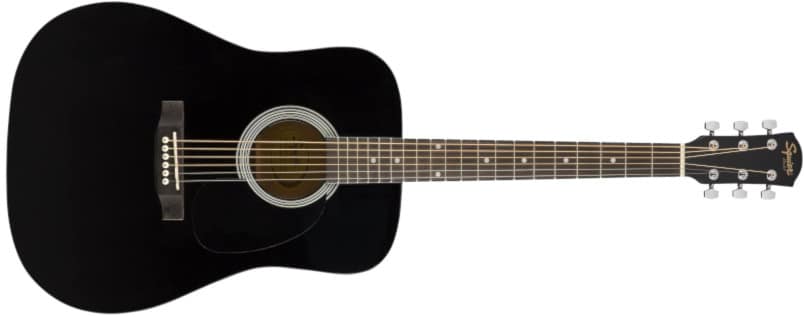
The black guitar is a timeless start to the discussion. It’s universal, like the little black dress of the music industry. Black guitars are a common option for musicians of many genres since they possess a certain classic appeal.
Think about it. Black is a color that goes with everything. It’s versatile, it’s sleek, and it’s got that rock ‘n’ roll vibe. Whether you’re playing blues, rock, country, or metal, a black guitar will always fit right in.
And let’s not forget about the famous guitar players who’ve rocked black instruments. Jimi Hendrix, Chuck Berry, B.B. King, these legends have all been known to strum a black guitar, adding to its cool factor.
Plus, it’s a color that represents power and sophistication, all of which describe most guitarists and their music.
Are there cons to owning a black guitar? Sure, I mean black will blend into some backgrounds making it hard to see. It will also make scratches, damage, and discoloration more obvious. But this isn’t important to most players. I mean, road scars come with the journey!
Related: Do guitars sound better with age?
The Winter White Guitar
Next up, which is only fitting, we have the white guitar. Now, white might seem like a simple, even plain choice at first glance. But don’t let that fool you. White guitars have a certain charm that’s hard to resist.
White is a color that’s both neutral and versatile. It can fit into anything really, from rock to pop to country. And just like a blank canvas, a white instrument leaves room for your music to do the talking.
And let’s not forget the famous musicians who’ve made white guitars iconic. Jimi Hendrix, for example, was known to play a white Fender Stratocaster. The contrast of the white against the stage lights can create a striking visual effect, making your performance even more memorable.
So, if you’re looking for a color that’s versatile, eye-catching, and lets your music shine, consider going for white. It’s a choice that adds dimension and space and represents purity and peace.
Related: Can guitar pickups be painted?
The Warm Yellow Guitar
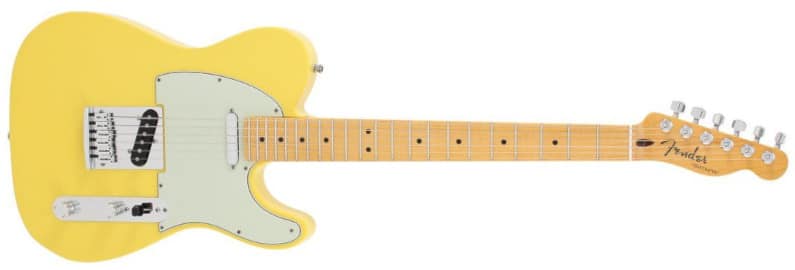
Now, yellow isn’t the most common choice when it comes to guitar colors, but that’s part of its appeal. A yellow guitar can make a bold statement and set you apart from the crowd.
Yellow is a color that’s associated with warmth, happiness, and energy. It’s a color that can bring a touch of sunshine to your performance. And because it’s such an eye-catching color, a yellow instrument can add a visual element that can really engage your audience.
Another advantage is that it will probably work with any style of music you play. If you play an electric guitar, yellow looks fantastic on it as well. Whether the yellow is burnt, dazzling, or even faded, it doesn’t really matter.
And any imperfections from scratches or blemishes will not really matter because the color will pull all attention off of them in a hurry.
The Fiery Red Cherry Guitar
Let’s turn up the heat with our next color, red. Whether it’s a fiery bright red, a deep maroon, or a rich cherry, these colors have a way of commanding attention.
Red is a color that’s full of passion and energy. It’s a color that can add a touch of drama to your performance, making your guitar not just an instrument, but a part of the show.
And because red is such a bold color, it can make a strong statement about your style and individuality.
Famous musicians like Pete Townshend have been known to rock red guitars, adding to their appeal.
So, if you’re looking for a guitar color that’s bold, dramatic, and full of energy, red could be the perfect choice for you. It’s a color that’s sure to turn heads and make a lasting impression.
Just remember that Red can also produce visual strain, as it’s a very busy color. So if you’re already a very visually stimulating performer or group, this could be too much for some viewers.
The Classic Sunburst Guitar
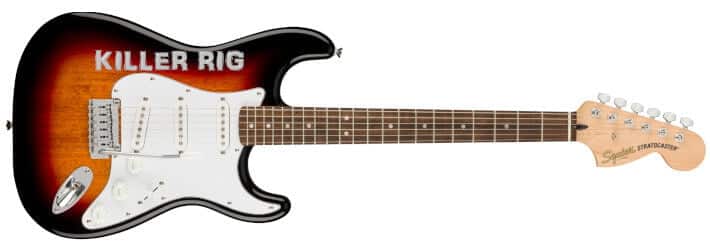
Sunburst guitars have a gradient color scheme that typically starts with a lighter hue in the middle and gradually darkens towards the edges. This creates a beautiful, radiant effect that’s reminiscent of a sunset, hence the name sunburst.
Sunburst guitars have an everlasting appeal that’s loved by many musicians. They have a vintage vibe that can add a touch of nostalgia to your performance.
Each sunburst guitar is remarkable in its own way because the effect brings out the wood’s natural grain.
Sunburst can be the way to choose if you love vintage design and want a color that is both exquisite and classic. It’s a timeless option that will always be in fashion. Just be prepared to find many others sporting the look too.
Related: Guitar Wood Types.
The Natural Wood Guitar
Now let’s change gears and talk about guitars made of natural wood. This is more of an appreciation of the instrument’s untainted, raw beauty than it is a hue. A natural wood allows you to see and enjoy the inherent grain and texture.
Natural wood guitars have a certain elegance to them. They’re understated, yet sophisticated. They don’t need flashy colors or fancy designs to stand out. The wood’s natural patterns and colors are enough to make a statement.
The best thing, natural wood guitars vary widely from one another. Yours will be genuinely unique because each piece of wood has a particular grain pattern and range of coloration.
Therefore, if you value simplicity and natural beauty, a natural wood guitar can be the perfect fit for you. It’s a fashionable and interesting decision all on its own.
The Cool Green Guitar
Now, green might not be the first color that comes to mind when you think of guitars, but it’s a choice that’s been growing in popularity recently.
Green is a color that encourages calmness and freshness. If you play relaxing music, then green can add a sense of serenity to your performances.
But don’t let it fool you. By selecting the ideal shade of green, your guitar can be as vibrant and engaging as any other.
There are many shades of green to choose from. Seafoam green, for example, is a light, bright shade that’s sure to stand out on stage. Surf green, on the other hand, is a bit more subdued, but no less stylish.
So why not think about green if you’re searching for a guitar color that’s a little different from the ordinary, but yet has plenty of beauty and appeal? It’s a hip, modern option that will definitely get attention.
The Calming Blue Guitar
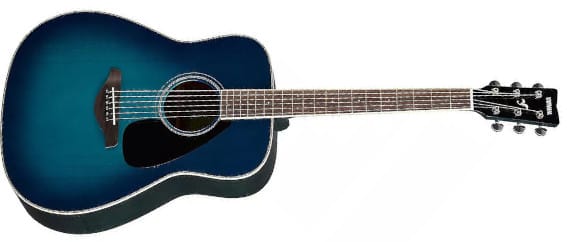
Blue is a color that’s often associated with calmness and serenity, but it can also be vibrant and energetic, depending on the shade.
Blue guitars can range from light, sky-blue hues to deep, ocean-like shades. A light blue instrument can bring a touch of brightness to your performance. While a dark blue one can add a sense of depth and richness.
And let’s not forget about the different finishes available. From the sparkling Lake Placid blue to the cool and slick Daphne blue, there’s a blue guitar out there to suit every style and personality.
So, if you’re looking for a guitar color that’s versatile, stylish, and has a calming effect, blue could be the perfect choice for you. It’s a color that’s as soothing as it is stylish.
Conclusion
Choosing a guitar color is no simple task! It holds a lot of weight that most people don’t consider. It’s bigger than just walking into a store and picking one out. Guitarists should research the colors and get a sense of what they mean.
Then, you can select a color that works with your show, but also your style. This is something you don’t want to regret later on should you choose the wrong color. Take your time and give it some thought.
FAQs
Which guitar color is best?
The best color for a guitar is highly subjective and depends on your personal style. Some people prefer classic colors like black or white, while others might opt for more vibrant ones like red or yellow.
Ultimately, the best color is the one that you feel most connected to and that reflects your musical identity.
What is the most attractive color guitar?
What one person finds appealing, another might not. That being said, some popular choices for attractive guitar colors include sunburst, due to its classic and timeless appeal, and natural wood, which showcases the guitar’s grain and texture. Bright colors like red and yellow can also be eye-catching.
What is the best color for acoustic guitars?
Many acoustics come in natural wood finishes to highlight the beauty of the grain. However, acoustic guitars can also look great in colors like sunburst, black, or white.
The best color for an acoustic guitar is the one that you find most aesthetically pleasing and that matches your style.
Should I buy a black or brown guitar?
Both black and brown (or natural wood) guitars have their own appeal. Black instruments are sleek and versatile, and can fit in with almost any style of music.
Brown or natural wood guitars, on the other hand, have a classic and sophisticated look. It’s one that highlights the wood’s natural patterns. The choice between black or brown ultimately comes down to your preference and the style you’re going for.
