
Table of Contents
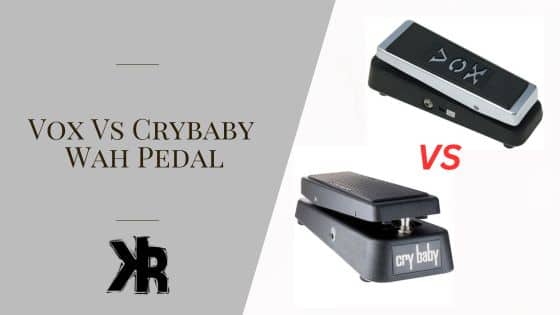
Vox and Crybaby Wah are both well-known pedals that have been used by countless guitarists throughout the years. Each pedal has its own unique characteristics and sound, making them suitable for different musical styles and preferences. But which one is better?
Vox Wah pedals are known for their smooth and vintage tone. They offer a rich and warm sound that is reminiscent of classic rock and blues. Crybaby Wah pedals have a more aggressive and modern tone, making them ideal for genres like hard rock and metal.
When it comes to selecting the perfect wah pedal for your guitar, the options can be overwhelming. In this Killer Rig article, we will explore the differences and similarities between two popular choices: Vox vs Crybaby Wah.
Related Articles:
Brief Summary
- The Vox Wah pedal offers a unique sound and is known for its smooth and musical tone. It is favored by many guitarists for its versatility and ability to create expressive wah effects.
- The Dunlop Crybaby Wah pedal is equally popular among guitarists and is known for its distinct and aggressive sound. It has a raw and gritty tone that is favored in genres like rock and blues.
- When choosing between the Vox and the Crybaby Wah, consider your musical style and personal preference. The Vox Wah is best suited for players looking for a more refined and versatile sound. While the Crybaby is ideal for those seeking a raw and aggressive tone.
What is a Wah-Wah Pedal?
A wah pedal is a device used by musicians to manipulate the tone of an electric guitar or other instruments. It creates a unique sound effect by altering the frequency response of the audio signal.
This pedal is typically controlled by the player’s foot, allowing them to dynamically adjust the wah effect while playing.
- Tone Manipulation: A wah-wah pedal allows musicians to manipulate the tone of their instruments, adding a distinctive and expressive effect to their playing.
- Foot Control: The pedal is designed to be controlled by the player’s foot, freeing up their hands to focus on playing the instrument.
- Frequency Response: By adjusting the pedal, musicians can alter the frequency response of the audio signal, creating a vocal-like “wah” sound.
Wah-wah pedals have been a popular tool among guitarists since the 1960s. The most famous models include the Vox and Crybaby wah pedals.
These pedals have become iconic in the music world, with many musicians incorporating their unique sound into their playing style.
Through the use of a wah-wah pedal, musicians can add depth and character to their performances, creating a signature sound that stands out in any genre or musical setting.
Vox vs Crybaby Wah: Differences and Similarities
To get us started, I’m going to go through the differences and similarities between the Vox and Crybaby wah pedals. By comparing their features, performance, and design, we will be able to get a better understanding of how each one can benefit a guitarist within a certain musical genre.
Here is how they compare in different categories:
- Construction and Design:
- Vox Wah: Constructed with durable components and a sleek design, the Vox Wah offers a vintage appeal with its iconic chrome casing.
- Crybaby: Known for its robust build quality, the Crybaby exhibits a more modern aesthetic, featuring a sturdy enclosure and user-friendly design.
- Sound and Tone:
- Vox Wah: Renowned for its expressive and vocal-like tones, the Vox offering provides a wide range of wah effects that are loved by many guitarists.
- Crybaby: Offering a versatile tonal palette, the Crybaby enables musicians to explore various wah sounds, from subtle sweeps to pronounced wails.
- Control Options:
- Vox Wah: Equipped with straightforward controls, the Vox Wah allows musicians to easily adjust the intensity and modulation of the effect.
- Crybaby: Providing additional control over the effect’s parameters, the Crybaby offers various knobs and switches for fine-tuning the wah sound to individual preferences.
- Price Range:
- Vox Wah: Positioned at a moderate price point, the Vox Wah provides excellent value for money, making it an ideal choice for budget-conscious guitarists.
- Crybaby: With a slightly higher price range, the Crybaby offers enhanced features and durability, catering to musicians seeking professional-grade wah effects.
Unique Details
Both the Vox and Crybaby wah pedals have a long-standing reputation in the music industry.
The Vox Wah is celebrated for its vintage charm and expressive tones, but there are limited options and details offered. You can get the classic wah and a reissue, or a hardwired model. But that is basically all that is offered in the Vox models.
The Crybaby also stands out for its reliability and versatility. But Dunlop has a much larger range of models available, from the standard to mini and auto wahs. And each model has features like boosts, volume knobs and even tone adjustments.
Additionally, both pedals have their own dedicated fan base, with loyal users praising their unique sonic capabilities. Here is a video showcasing their differences in sound:
The Vox Wah
Let’s now explore the Vox wah and see what it has to offer, both inside and out!
Features and Design
The Vox Wah sound and responsive control make it a popular choice among guitarists. Here is how the versatility, durability, and sleek design can enhance your guitar playing experience.
- Versatility: The Vox Wah pedal offers a wide range of tonal possibilities, allowing musicians to create various effects and experiment with different styles of music.
- Durability: Built with high-quality materials, the Vox Wah pedal is designed to withstand the rigors of live performances and endure years of heavy use, ensuring its longevity and reliability.
- Sleek Design: The Vox Wah pedal showcases a sleek and ergonomic design that not only enhances its aesthetic appeal but also provides comfort and ease of use for guitarists during performances or practice sessions.
- Responsive Control: With its responsive foot control, the Vox pedal allows for precise and expressive manipulation of the wah effect, giving musicians the ability to add dynamic and emotive elements to their playing.
The Vox Wah includes its innovative True Bypass technology, which ensures that the guitar’s original signal is not compromised when the pedal is bypassed.
This feature guarantees a transparent and pure tone, making the Vox Wah pedal a reliable and high-performance tool for guitarists across various genres.

Different Variations of Vox Wah Pedals
Vox Wah Pedals come in a few versions, offering unique features and capabilities. Here are the variations of Vox Wah Pedals:
| Pedal Name | Features | Price |
|---|---|---|
| Vox V847-A | A Classic Wah Reissue | $139.99 |
| Vox V845 | Classic Wah Pedal | $104.99 |
| Vox V846-HW | Hand Wired Vintage design | $279.99 |
The Vox offerings are designed after the original classic wah from the 1960s. Except today, the circuit has been upgraded to perform better and is more durable and even nicer looking.
Pros and Cons
Pros:
- Vintage Tone: The Vox Wah pedals offer a smooth and warm sound, suitable for classic rock and blues.
- Versatility: The wide range of tonal possibilities allows for experimentation with different styles of music.
- Durability: Constructed with high-quality materials, these pedals are designed to endure years of heavy use.
- Sleek Design: The ergonomic design enhances aesthetic appeal and provides comfort and ease of use.
- True Bypass Technology: This feature ensures that the guitar’s original signal remains pure when the pedal is bypassed.
- Price Range: Positioned at a moderate price point, the Vox Wah provides excellent value for money.
Cons:
- Limited Options: The offerings in the Vox Wah models are limited, with few variations and features.
- Not Ideal for Heavy Genres: The Vox Wah may not be suitable for genres like hard rock and metal.
- Potential for Noise: Some users have reported noise or hum, particularly when paired with certain amplifiers or other pedals.
The Dunlop Crybaby
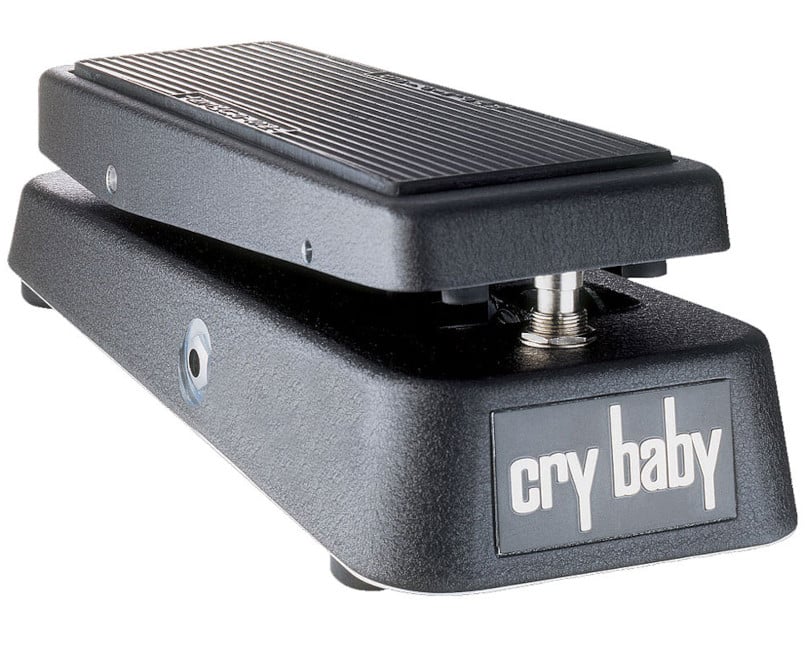
Next up is the Dunlop crybaby and the excellent experience it brings. Let’s dig in and check it out!
Features and Design
The Dunlop Crybaby pedal showcases a range of impressive features and a well-thought-out design. Here are three key points to consider:
- Versatile Tonal Options: With its expressive wah effect, the Crybaby allows for a wide range of tonal variations, offering musicians the ability to shape their sound with precision and creativity.
- Durable Construction: The Crybaby is built to last, featuring a sturdy chassis and high-quality components that can endure rigorous use on stage or in the studio, ensuring reliability for years to come.
- Intuitive Control Layout: Designed with user-friendly operation in mind, the Crybaby boasts a simple yet effective control layout, allowing players to easily adjust the pedal’s parameters and dial in their desired wah effect.
Furthermore, the Crybaby’s unique design incorporates a smooth and responsive foot pedal, enhancing the overall playability and allowing for seamless expression in performance.
By incorporating these features and design elements, the Dunlop Crybaby stands as a versatile and reliable tool for musicians seeking to add expressive wah effects to their repertoire.
Dunlop has even gone as far as designing their own potentiometer inside to certain standards. This helps get a great sound without any noise which was created in older wah pedals. Plus a fasel inductor of either red or yellow color.
Different Variations of Dunlop Crybaby Pedals
Dunlop Crybaby pedals offer a range of variations to cater to different musical preferences. Here, we will discuss some of the unique characteristics of these pedals and how they differ from one another.
| Pedal Name | Features | Price |
|---|---|---|
| Dunlop GCB95 | Standard Wah | $99.99 |
| Dunlop 535Q | Multi-Wah Pedal | $169.99 |
| KH95 | Kirk Hammett Signature | $199.99 |
| CBM95 | Mini Crybaby Wah | $119.99 |
Overall, the different variations of Dunlop Crybaby pedals offer guitarists a wide range of options to shape their unique sound. There are standard, mini and even signature models. There are so many options, you may get overwhelmed!
Jimi Hendrix was known for his extensive use of the Dunlop Crybaby wah pedal during his performances, demonstrating its effectiveness in creating unique and captivating guitar tones.
Pros and Cons
Pros:
- Versatile Tonal Options: The Crybaby offers a wide range of tonal variations, suitable for genres like hard rock and metal, allowing musicians to shape their sound with precision.
- Durable Construction: Known for its robust build quality, the Crybaby is designed to endure rigorous use, ensuring reliability for years to come.
- Intuitive Control Layout: With user-friendly operation, the Crybaby’s control layout allows players to easily adjust the pedal’s parameters.
- Wide Range of Models: Dunlop offers a large variety of Crybaby models, from standard to mini and signature models, catering to different preferences and needs.
- Noise Reduction: The design includes features to minimize noise, enhancing the overall sound quality.
- Price Options: With various models and features, the Crybaby offers options across different price points, catering to both budget-conscious and professional musicians.
Cons:
- May Be Overwhelming: With so many options and variations, some users may find the selection process overwhelming.
- Not Ideal for Vintage Tone Seekers: If you’re seeking a smooth and vintage tone, the aggressive and modern sound of the Crybaby might not be the best fit.
- Potential Compatibility Issues: Some users have reported compatibility issues with certain amplifiers or other pedals, which may require additional consideration.
Choosing the Right Wah Pedal for Your Style
When it comes to selecting the ideal wah pedal for your individual style, there are several crucial factors to consider. Follow these six points to ensure you make the right choice:
- Understand your musical genre: Different wah pedals cater to specific genres, so identify the style you typically play before making a decision.
- Consider your budget: Pricing can vary significantly, so it’s important to establish a budget range before beginning your search.
- Evaluate the pedal’s features: Look for additional features that may enhance your playing experience, such as adjustable frequency range or built-in effects.
- Read reviews and seek recommendations: Explore online reviews and consult with fellow musicians to gather insights and recommendations on the best wah pedals for your style.
- Try before you buy: Whenever possible, test the wah pedal in person or through a reliable source to ensure it meets your expectations.
Additionally, keep in mind that certain unique details may help you determine the perfect wah pedal for your needs. For instance, consider if you require a pedal with true bypass functionality to minimize signal loss. Or, even an auto-wah to prevent having to click a switch.
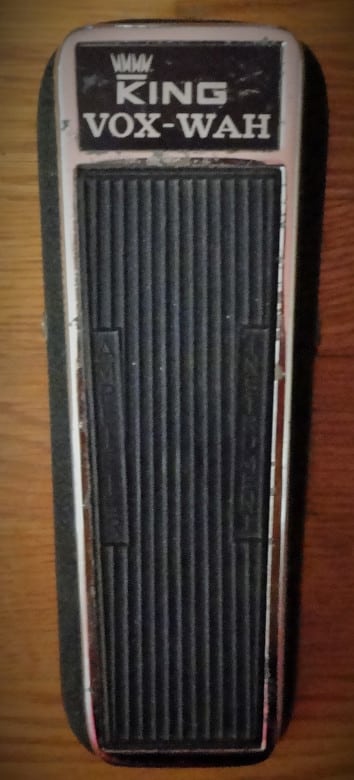
A musician once shared a remarkable story about choosing the right wah pedal. After extensive research and experimentation, they stumbled upon a vintage Vox wah pedal tucked away in a local music store.
This unexpected find became an integral part of their signature sound, proving the importance of persistence in finding the perfect wah pedal for your style.
Conclusion
The Vox and Crybaby wah pedals both offer unique features and tones. The Vox provides a smooth and vintage sound, while the Crybaby offers a more expressive and aggressive wah effect.
Each pedal has its own strengths and weaknesses, so it ultimately comes down to personal preference and the desired sound.
It is recommended to try out both pedals and see which one suits your playing style and musical genre best. Experiment with different settings and techniques to fully explore the capabilities of your potential new wah pedal.
Recognizing that the ultimate decision is subjective, it is important to choose a wah pedal that enhances your musical expression and complements your overall sound.
FAQs
Can the Vox Wah and Dunlop Crybaby pedals be used by beginners?
Yes, both the Vox Wah and Dunlop Crybaby pedals can be used by beginners. They both have simple setups and are easy to plug in and play.
The Vox Wah pedal may require some practice with the treadle for tonal changes, but it offers a decent price point and is suitable for funk, pop, and folk genres. The Dunlop Crybaby pedal works well with most music genres and is well-priced, making it a good option for beginners.
Do the Vox Wah and Dunlop Crybaby pedals come with power adapters?
No, neither the Vox Wah nor the Dunlop Crybaby pedals come with power adapters. Both pedals can be powered by inserting a 9V battery or by using a separate AC adapter, which can be purchased separately.
Using an adapter helps preserve battery life and provides a steady power source for consistent performance.
