What Are Tuning Knobs On A Guitar Called?

What Are Tuning Knobs On A Guitar Called

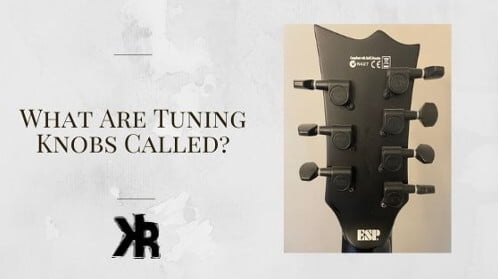
The tuning knobs, like most guitar parts, go by many names. This can make it difficult to know what to search for when you need answers about something specific. What are the tuning knobs on a guitar, and what should you call them?

đź”§ Tuner Upgrade Matchmaker

Broken peg or tuning issues? Find the right replacement.

The standard names for them are tuning-knobs, tuning-pegs, tuning-heads, machine heads, and tuners. These are terms that most guitarists can understand clearly and are universal.

There are other names that these parts are referenced with that are not quite as common. This can make it hard to know what is being spoken of by these terminologies.

đź“– The “What Do I Call It?” Cheat Sheet

Term Used By… Technically Correct?
Machine Head Luthiers, Techs, Manufacturers âś… Yes (Refers to the gear mechanism)
Tuning Peg Beginners, Acoustic/Folk Players ⚠️ Sort of (Technically refers to friction pegs like on a Violin)
Tuners / Keys Everyone (Casual) âś… Accepted Slang

Additional Tuning Knob Names

Some less common names that some players use for tuning knobs are:

  • Tuning keys
  • Machine keys
  • Machine nuts
  • Tuning shafts
  • Tuning nuts
  • Machine tuners
  • Tuning machines
  • Tuning buttons
  • Peg gears

And while a few of these terms are somewhat easy to understand, for a beginner, others are harder to grasp. Especially when they are referred to as machines, cranks, tensioners, and gears.

A few of them sound like they belong to some sort of machinery and not to an instrument. But it’s still good to know them, just in case!

Anatomy of a Machine Head (Know Before You Buy)

If you are looking for a replacement part, you need to know which piece is actually broken. You often don’t need to buy a whole new set!

  1. The Button (or Key): This is the plastic or metal “handle” you turn with your fingers.
    • Pro Tip: If this cracks or falls off, you can usually buy just a replacement button for $5 instead of a whole new tuner for $60.
  2. The Post (or Shaft): This is the metal cylinder sticking out the front of the headstock that the string wraps around.
    • Note: These come in different heights (“Staggered Posts”) to eliminate the need for string trees.
  3. The Mounting Nut (Bushing): The hexagonal nut on the face of the headstock that clamps the tuner in place.
    • Warning: Loose nuts are the #1 cause of “buzzing” noises on headstocks. Check them with a wrench!

Understanding Gear Ratio: Why It Matters

When shopping for tuners, you will see numbers like 14:1 or 18:1. This is the Gear Ratio, and it determines how accurate your tuning will be.

The Math:

  • 14:1 Ratio: You must turn the button 14 times for the string post to do one full rotation.
  • 18:1 Ratio: You must turn the button 18 times for one full rotation.

Which is better?

  • Higher is Better (18:1 or 21:1): A higher number means the post moves slower. This gives you “Fine Tuning” control. You can make tiny adjustments without overshooting the perfect pitch.
  • Standard (14:1): Common on cheaper guitars. They feel “jumpy”—you turn the knob slightly, and the pitch jumps too far sharp.

My Recommendation: If you are upgrading, always look for at least 18:1 ratio. The difference in smoothness is massive.

Don East

My name is Don East, I'm the editor for Killer Rig. I've been playing guitar for over 20 years and have designed and manufactured products like guitar amps, effects pedals, and more. Over the years I have played in many bands and have a deep love for quality gear. I am an electrical engineer and have a passion for music gear, and now want to share what I know with the community!