
Table of Contents
Marshall’s amplifiers are the most recognized brand of guitar amps in the world. From their humble beginnings as British guitar amplifier builders.
They have grown to be a global music equipment powerhouse! And, they have been used by some of the greatest musicians of all time. But are Marshall amps good?
Legendary musicians have used Marshall amps in many genres. This ranges from classic rock to heavy metal and everything in between. So, it’s safe to say that they have a reputation for being good amps. In this Killer Rig article, we’re going to check them out!
Are Marshall Amplifiers Good?
Yes, Marshall amplifiers are great. In fact, they produce some of the best-sounding amplifiers in the market. Made for all music types, they have been doing so for decades.
Marshall has been making amplifiers since the 60s, and they know their stuff. They have perfected the art of amplifier building. They do it so well, that they are now considered a household name in the world of rock music.
Marshall is also the favorite amplifier brand of many legendary guitarists. This includes Jimi Hendrix, Pete Townshend, and Eric Clapton.
Looking for a reputable amp that will provide you with an excellent tone? Maybe even great versatility? Then Marshall is a good choice! Find the best Marshall amps settings here!
Pros
- Iconic Sound: Marshall amps are known for their signature crunch and high-gain capabilities, making them a go-to for rock and metal players.
- Versatility: From the bluesy tones of the JTM45 to the metal-friendly JVM series, Marshall offers a wide range of tonal options.
- Durability: Built like a tank, these amps are known for their rugged construction and longevity.
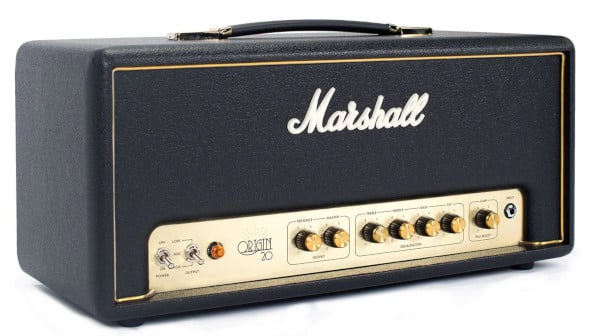
- Stage Presence: With their classic gold panel and black tolex, Marshall amps have an unmistakable and eye-catching aesthetic.
- Quality Components: High-grade tubes, transformers, and speakers ensure a premium sound.
- Artist Endorsements: Used by legendary musicians like Jimi Hendrix, Eric Clapton, and Slash, which speaks volumes about their quality.
- Expandable: Many models offer extension cabinets, allowing you to scale up your sound as needed.
Cons
- Price Tag: Quality comes at a cost, and Marshall amps are generally not cheap.
- Weight: Especially the vintage models, these amps can be quite heavy and cumbersome to move around.
- Loudness: Marshall amps are designed to be played loud, which might not be ideal for small venues or home use.
- Learning Curve: With a variety of knobs and switches, it can take time to dial in your perfect tone.
- Inconsistency: Some users report quality control issues, particularly with newer models.
- Limited Clean Tones: While versatile, they’re not always the best choice for genres requiring pristine clean tones.
- Power Consumption: Tube amps, in general, consume more power, and Marshall’s high-wattage models are no exception.
What Makes Marshall Amps Sound Good?
It’s easy to see why Marshall amps sound so good. They have an aggressive, biting tone that can cut through the mix. This makes them ideal for playing in loud rock bands.
The second thing that makes Marshall amps sound good is their design. The circuitry inside a Marshall amp has been tweaked over the years. This gives it a specific sound that’s unlike anything else out there.
Marshall also uses a combination of vacuum tubes and transistors. This produces their signature sound. It gives them an unmistakable warmth that you can’t get from other amps.
Marshall Amplifiers Are Famous
Marshall’s amps are famous for several reasons! But perhaps the most obvious is their sound.
Marshall’s amps are known for their British sound. A thick, distorted tone that is sought after by players of all styles.
Also, they have been the cornerstone of rock music for decades. The company was founded in 1962 by Jim Marshall.
He wanted to make amplifiers that were louder and better than what was available at the time. Since then, Marshall has been synonymous with great-sounding rock ‘n’ roll amplifiers.
The look of Marshall amps is also an important factor in their popularity. They’re instantly recognizable thanks to their signature logo and sleek look.
This aesthetic has historical significance. Many of these amps were used by some of rock’s most iconic musicians. From Jimi Hendrix to Eric Clapton, who went on to use their own personal Marshall stack in their careers.
They are also great when used with a Stratocaster, as they fill out the sound of an already bright guitar.
Are Marshall Amps Good for all Genres?
Marshall amps generally sound great in a wide range of genres. But they’re still best suited for rock, hard rock, and metal.
Marshall amplifiers are known for their high gain. This gives them a signature sound that is crunchy and loud.
This thick, heavy guitar sound is mainly associated with hard rock and metal players. And, because of their distorted tones, they are best if you’re looking to play those genres.
That said, it’s best not to use Marshall amps for jazz or country. The high gain distortion that characterizes it will not produce an optimal, warm tone. Especially in these genres.
Are Marshall Amps Better than Fender?
If you mostly play rock and metal styles, then Marshall amps will fare better than Fender models. Marshall’s British sound is thicker and heavier, with lots of distortion. It’s generally more suited to hard rock and metal genres.
On the other hand, Fender amps are known for their American sound that is bright, clear, and robust. Because of this, Fender amps are well-suited for lighter music styles. Genres such as country and blues.
Check out our full Marshall vs Fender comparison here.
Are Marshall Amps Better than Orange?
Orange and Marshall have specific tones. Orange amps sound brighter and have less gain than Marshall. They tend to be darker and more compressed.
Are you looking for a high-gain, distorted and compressed tone that cuts through a mix? Then Marshall might be better suited for your needs. Marshall amps are best for rock players who want to achieve a classic tone.
But, if you want fizzier high-gain sounds with incredible clarity and definition. Then an Orange amp might be better for you. Orange amplifiers are best for modern heavy metal players. Those who prefer a more scooped sound.
Check out our full Marshall vs Orange comparison here.
My Experience With Marshall Amps
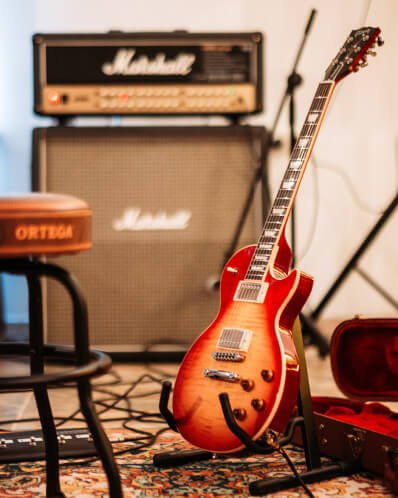
As a guitar player, my experiences with Marshall amps begin with the JCM800. As a younger person, I was able to buy a stack and use it in many different bands I played in.
It was a great amp and was pretty versatile. As time passed, the JCM800 just didn’t end up having enough gain. It was upgraded with a solid-state Marshall combo.
This was a fun little combo that had a couple of speakers and built-in effects. I used it for many years until going back to a valve head.
Amps like the JVM410 and others quickly became my go-to Marshall. This is because of their unique sound and features. Even today, I have many of them that get used quite often! They still do that British tone better than anyone else.
Check out our deep dive on Blackstar amps here.
Good Marshall Amplifier Models
If you’re looking for the most versatile Marshall amps, several models stand out.
Marshall Amp for Classic Rock: JTM45
The Marshall JTM45 has been the go-to amp for rock guitarists since its introduction in 1963.
The “45” refers to the power output of 45 watts, which made it a perfect match for the loudest rock bands back in the day. In fact, many bands were so fond of this amp that they had several on stage at once.
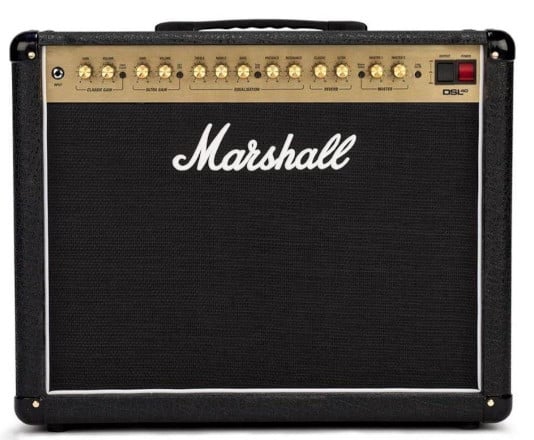
Marshall Amp for Metal: DSL40C
The Marshall DSL40C is a great choice for metal guitarists who want a versatile and powerful amp. Though it’s small, it has great power and sound quality.
It’s a modeling amp that can produce classic Marshall sounds. But also has some modern effects like delay and reverb.
Marshall Amp Under $500: Code 50
The Marshall Code 50 is a powerful amp that has a simple, straightforward design. It’s a good choice for players who are looking for something that sounds great but won’t break the bank. Code 50 is loaded with a 12-inch speaker that provides plenty of volume and tone.
Code 50 has built-in digital power amps, cab emulation, and effects. This makes it a powerful companion for guitarists.
Check out our picks for 12 Best Guitar Amps Under $500 here.
Conclusion
Marshall produces a class of guitar amplifiers that have been desirable for decades. The sound and allure of the brand have made Marshall amplifiers some of the most sought-after. By both professional and non-professional guitarists alike. Mainly for their power, tone, and look.
If you play guitar and want to get the most out of your sound, you might want to give one of these amps a try.
